INFORMATION SYSTEM
FOR NATURE CONSERVATION OF THE REPUBLIC OF SRPSKA

The Nature Protection Information System of the Republic of Srpska (ISZP‑RS) consists of information on the natural (biological and geological) heritage of the Republic of Srpska in the form of databases, application solutions, and web services. ISZP‑RS is intended for collecting, storing, maintaining, and sharing data.
In accordance with Article 95 of the Nature Protection Act (‘Official Gazette of the Republic of Srpska’ No. 49/24), the Institute manages the Nature Protection Information System, monitors the state of nature, collects, processes, and consolidates data on the condition of nature, prepares reports, and updates data for the Nature Protection Information System.
This portal serves as the homepage where all components of ISZP‑RS are published in modular form (protected areas, flora, fauna, protected species, Red List, inventory of geoheritage sites, etc.). Each module is developed as a separate application and integrated into the system either through a shared database or by adding an external reference to the portal.
The modules are spatially limited to the territory of the Republic of Srpska, stemming from jurisdiction in the field of nature protection, except for data generated within inter‑entity, regional, and international projects.
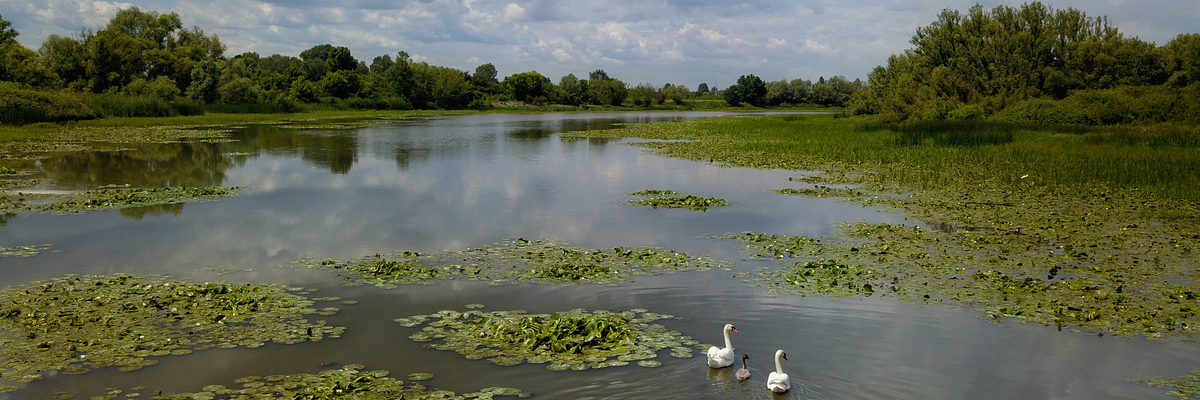
A protected area is an area with pronounced biological, geological, and landscape diversity, representing a clearly defined geographic space intended for nature conservation and managed for the long-term preservation of nature.
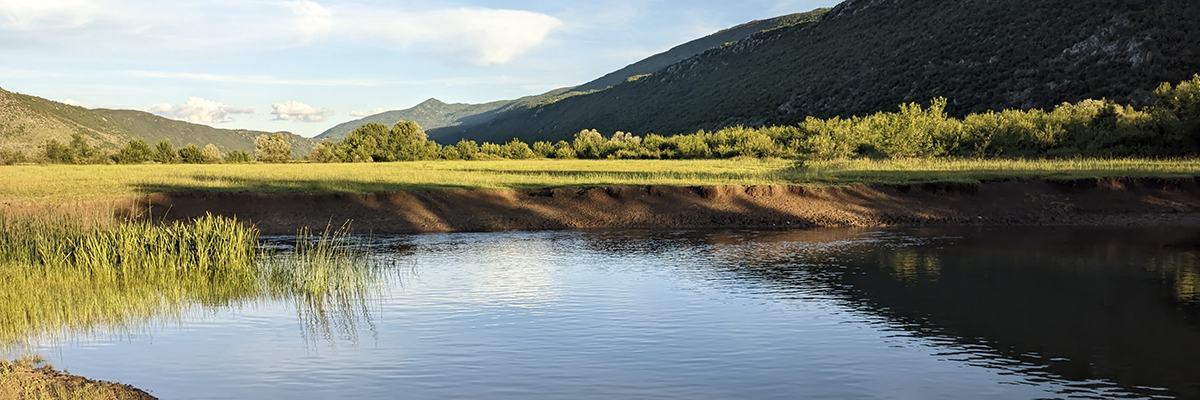
Hierarchical classification of RS habitats.
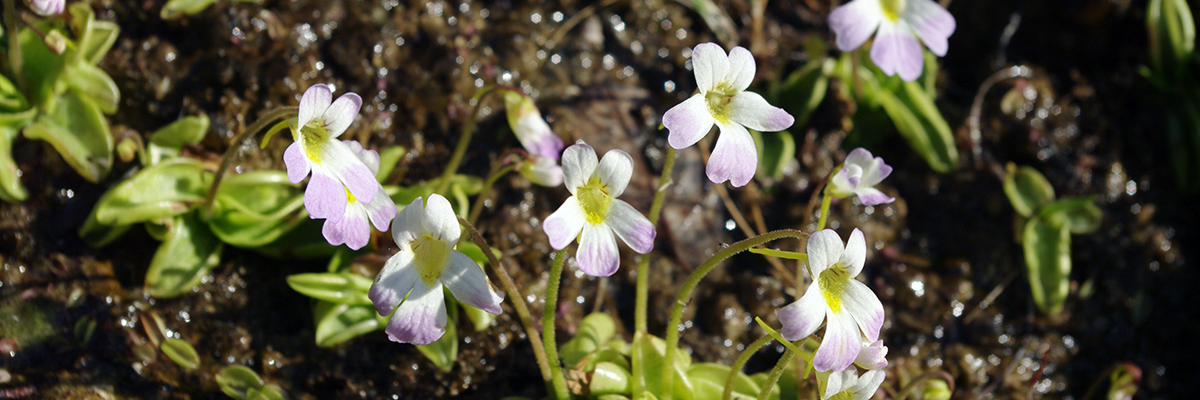
Index of plant species of RS.
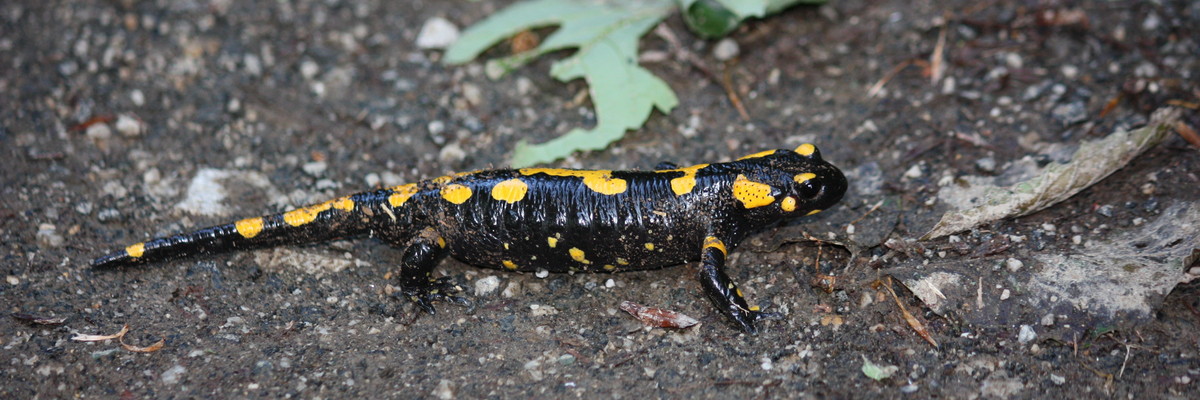
Index of protected species of RS.
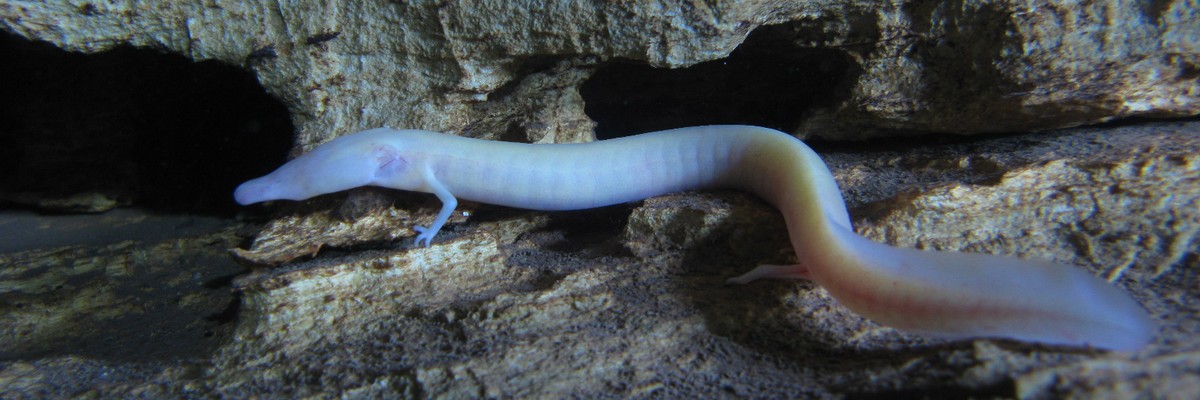
List of species found in RS, which have category of threat assigned according to the IUCN criteria.
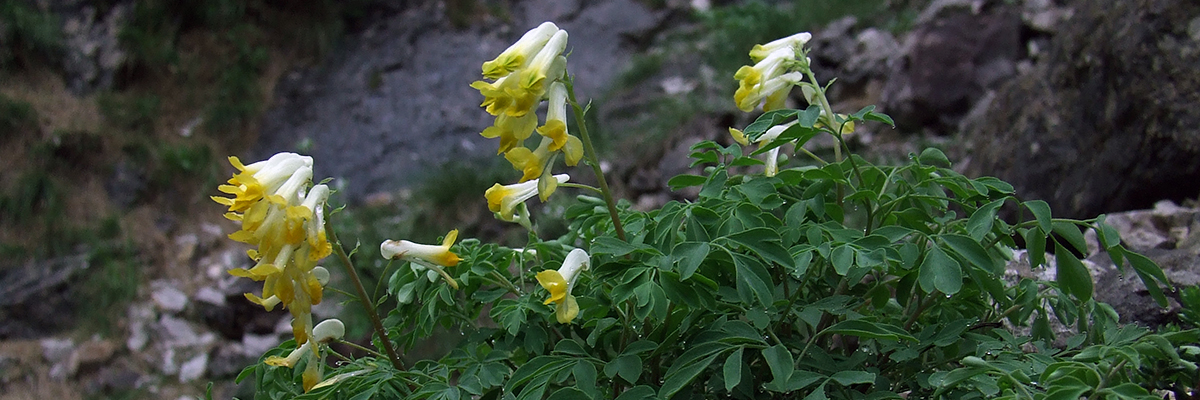
Pilot species distribution module of RS with 100 example species.

Database about endemic species whose classical localities are found in the area of SEE (vascular plants, mammals, amphibia and beetles (Coleoptera)).
The Republic Institute for Protection of Cultural, Historical and Natural Heritage is a republic administrative organization within the Ministry of Education and Culture of Republika Srpska, whose status and competencies are defined by the Law on Republican Administration
According to the provisions of the Nature Protection Act, the Institute is recognized as one of the entities responsible for nature conservation, ensuring the protection and preservation of nature within its jurisdiction.
The professional tasks of nature and natural heritage protection carried out by the Institute, as prescribed by Article 13 of the Nature Protection Act, include: collecting and analyzing data on nature and natural values; monitoring the state of nature; assessing threats; maintaining the Nature Protection Information System; preparing protection studies for the designation of protected areas; preparing expert justifications for preliminary protection of areas; preparing valuation bases at the level of local self-government units; maintaining the register of protected natural assets; conducting professional supervision; providing expert assistance; organizing and implementing training, projects, and programs; educational and promotional activities in the field of nature protection; determining conditions and measures for nature protection related to works and activities and issuing expert opinions; carrying out professional tasks related to environmental impact assessments; participating in the work of international expert institutions; and contributing to reporting in accordance with international regulations and European Union legislation.

Modular structure of Information Systems for Nature Conservation enabled gradual approach (modul by modul) on development of the information system. This was, until now, supported by two projects.
Open Regional Fund for South-East Europe – Biodiversity (GIZ/ORF-BD) and Open Regional Fund for South East Europe – Implementation of Biodiversity Agreements (ORF-BDU), are projects funded by the German Federal Ministry for Economic Cooperation and Development (BMZ) and implemented by Deutsche Gesellschaft für Internationale Zusammenarbeit (GIZ) GmbH, enabled development of sveral components of ISNCs in the period 2018–2020:
Project financed by the Global Environment Facility (GEF), and implemented by the United Nations Environment Programme (UNEP) in cooperation with the relevant ministries and institutions in the country u 2021 godini enabled setting up of: